

Roller coaster station and track
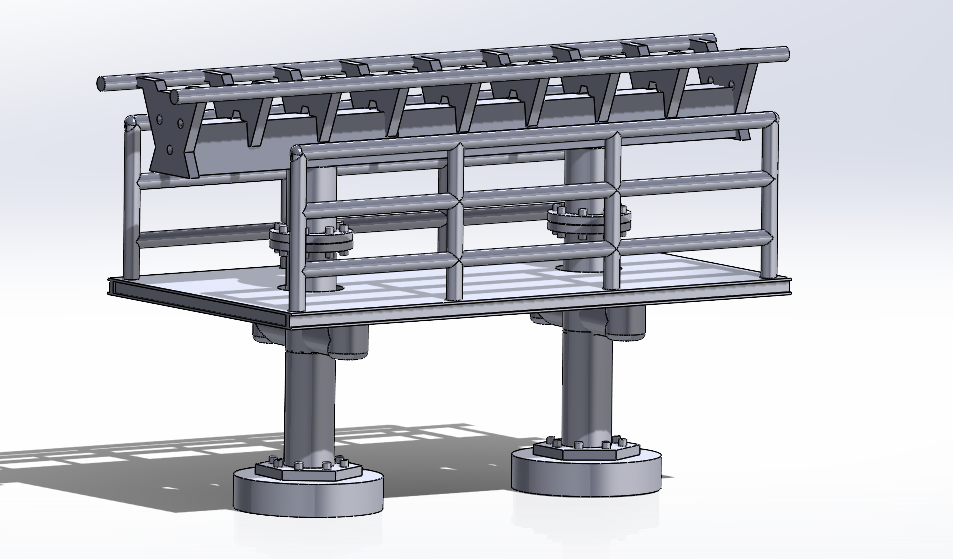
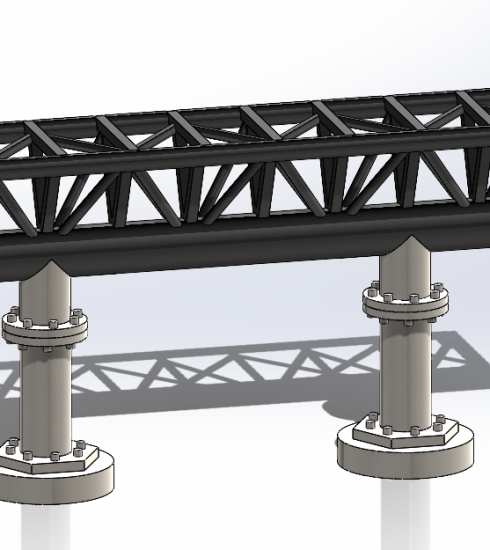
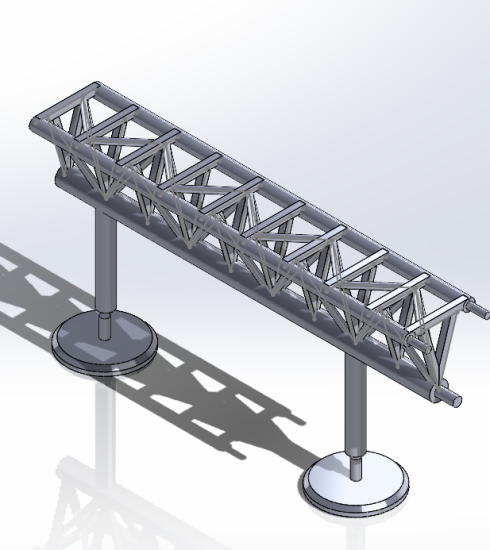
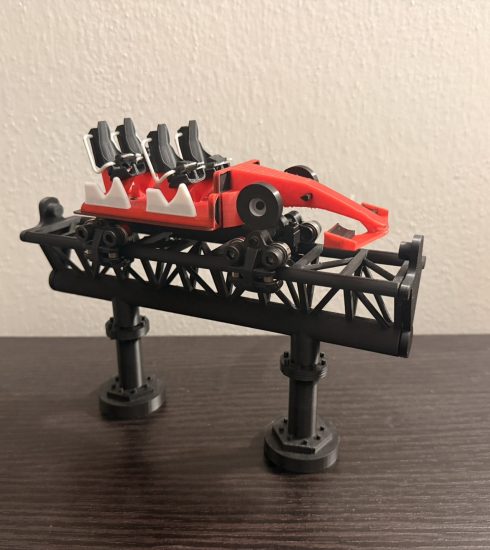
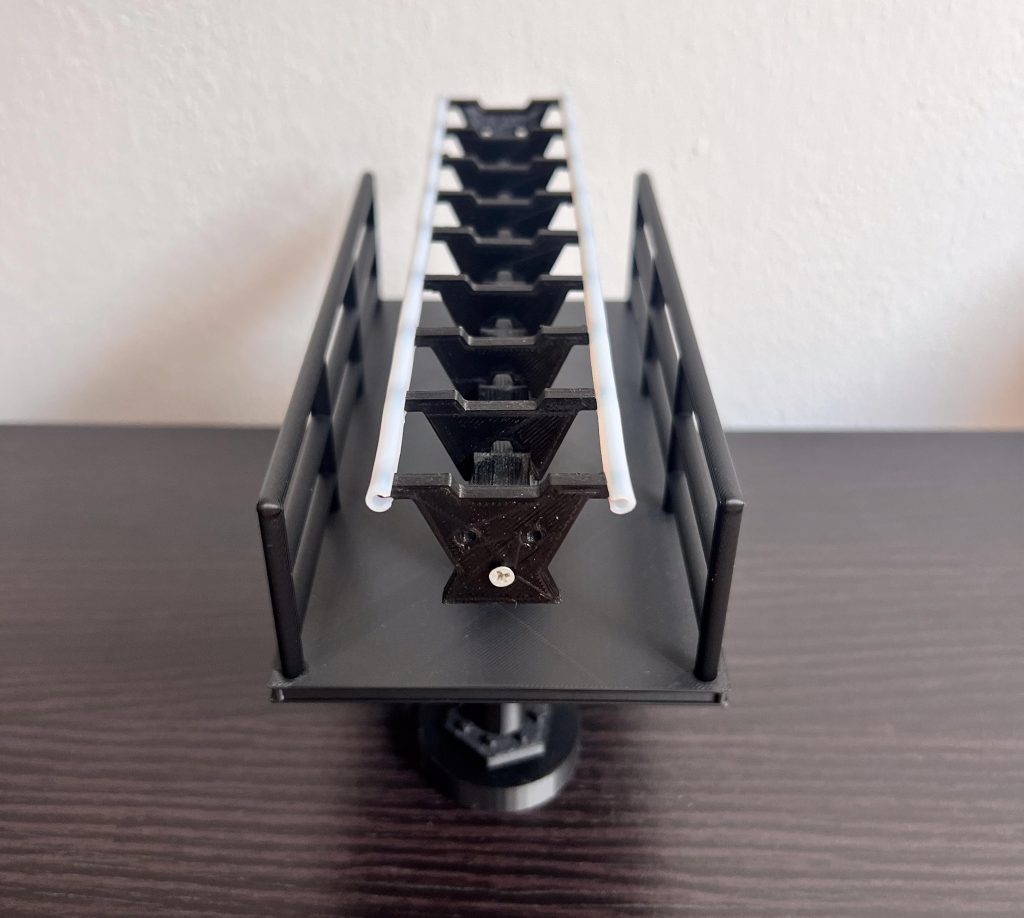
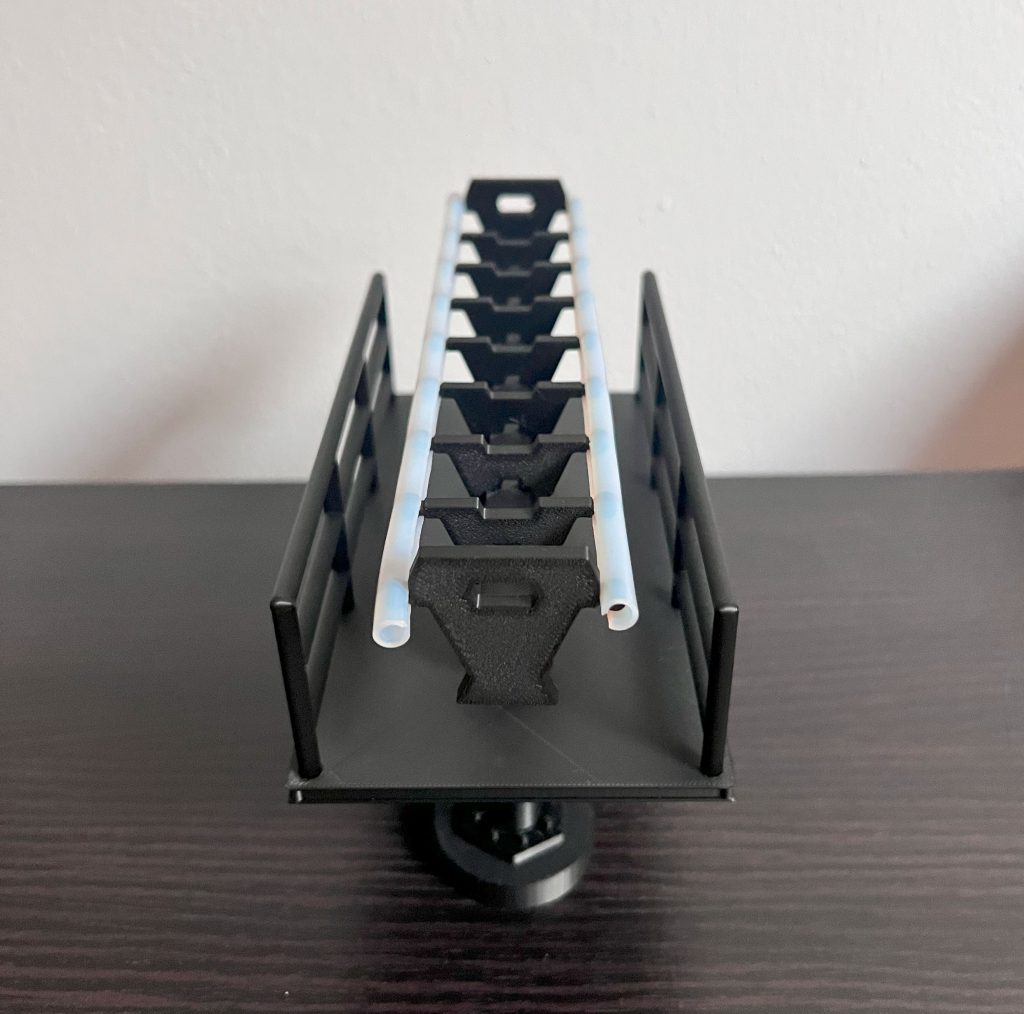
I have moved forward with the previous project, adding another level of detail and complexity to the work I had started. I took the B&M-style track I had already described in the previous article as a basis and decided to expand the project by developing a realistic platform, which adds a more credible and complete context to the track itself.
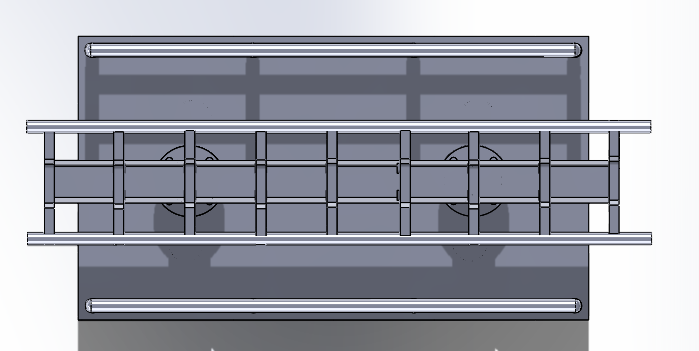
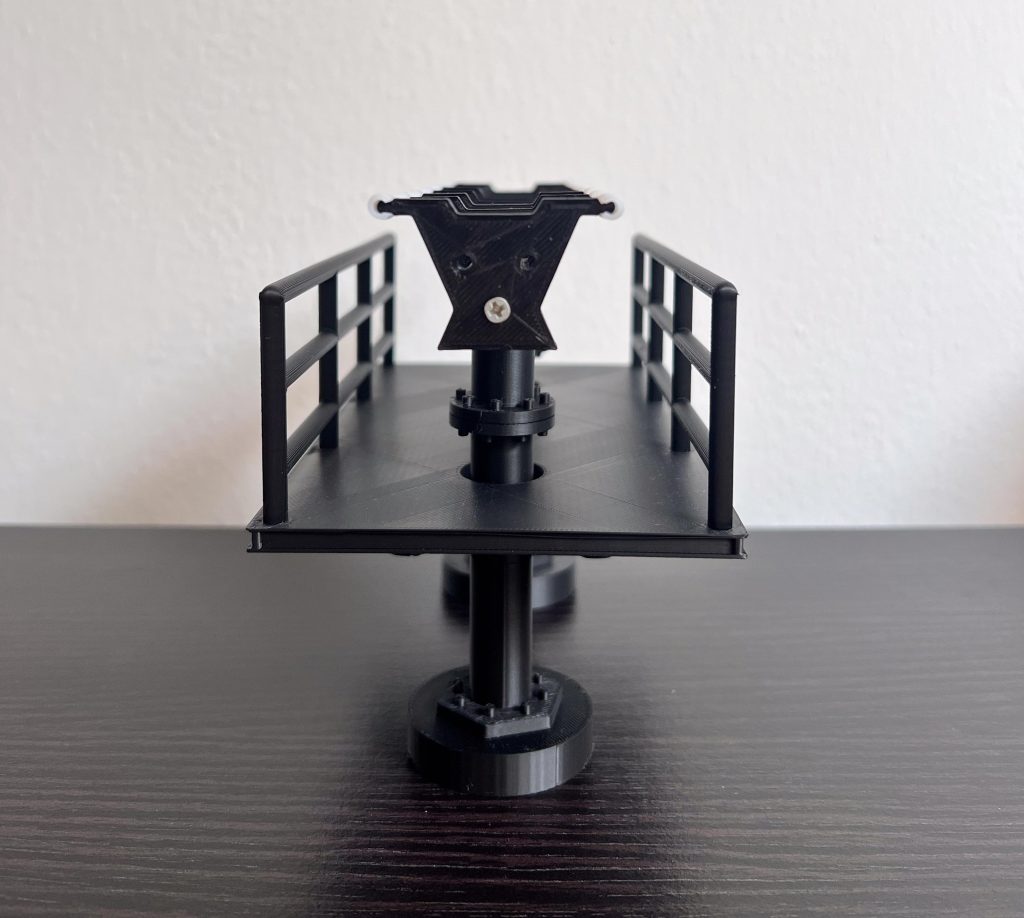
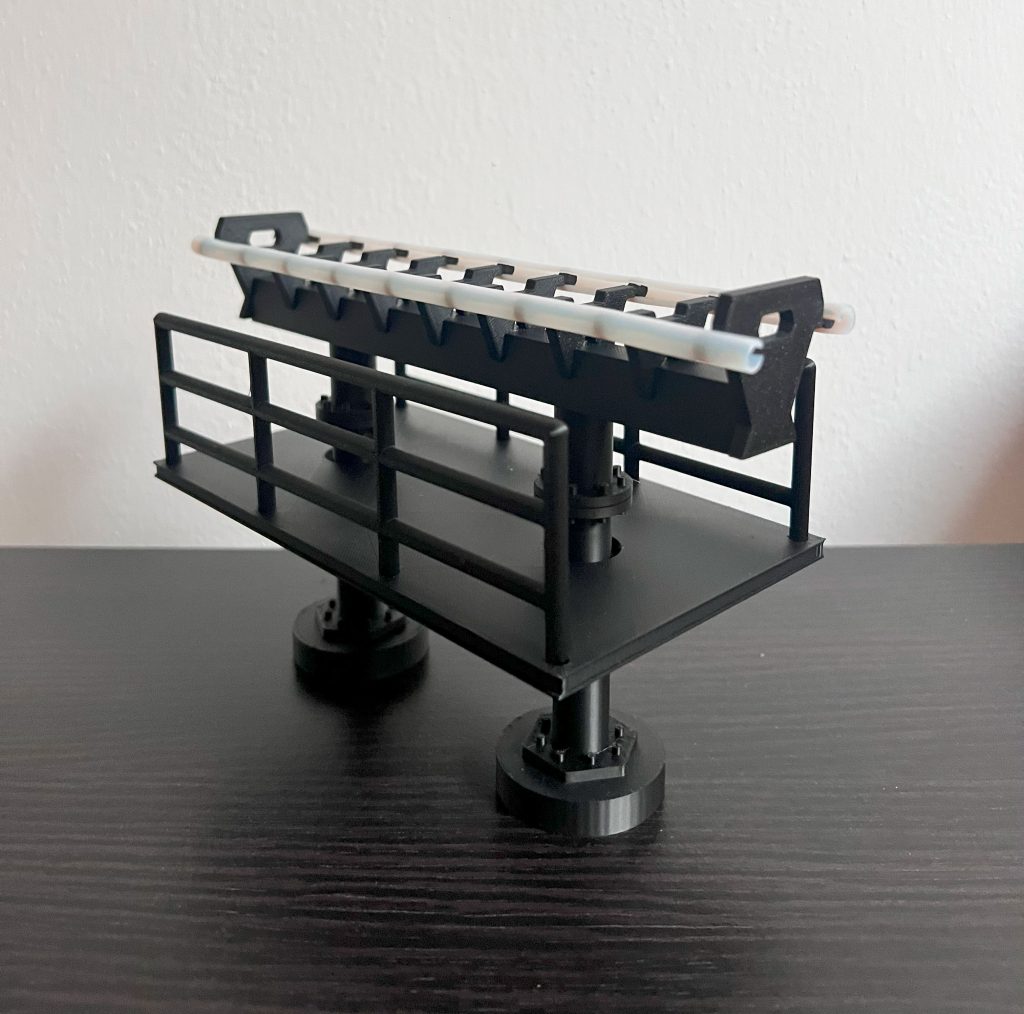
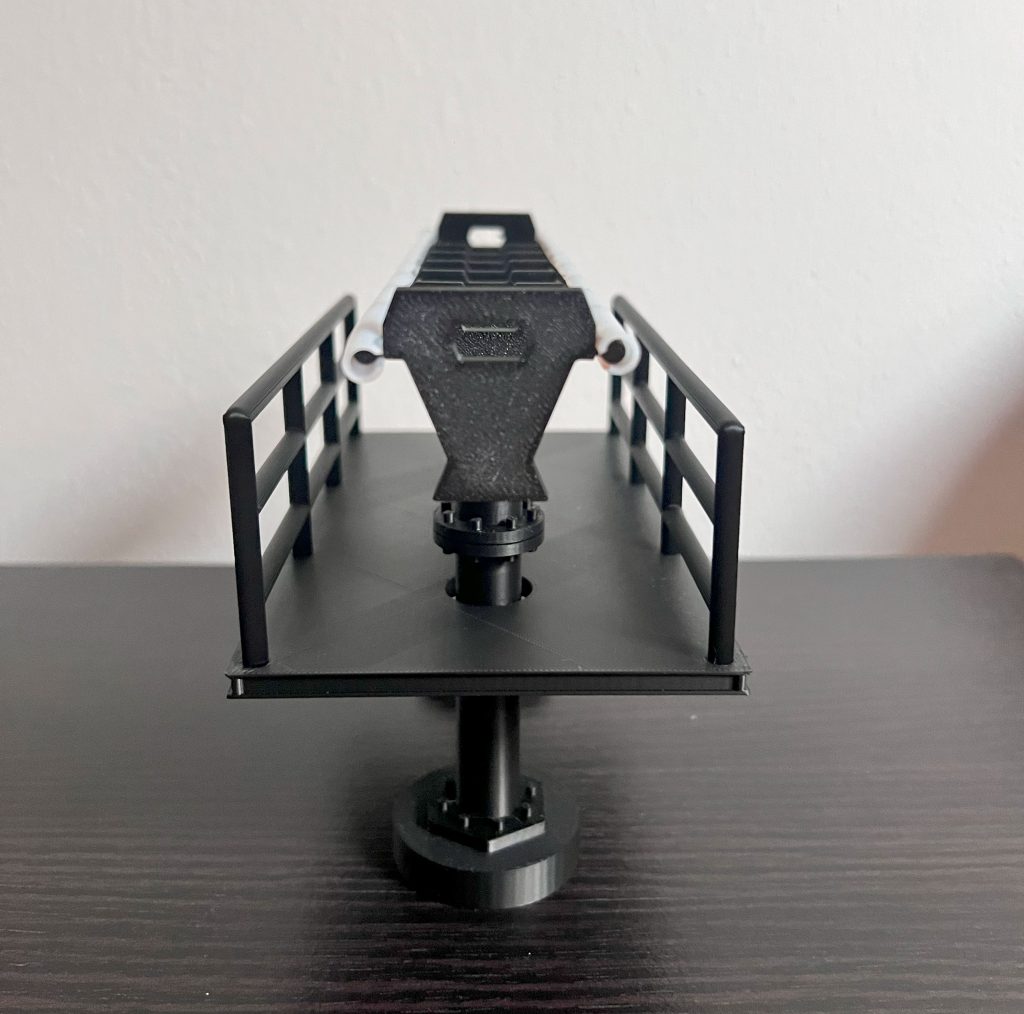
This platform is designed as an operating platform, just like those found in real roller coaster stations, and would be used by operators for maintenance and boarding control activities. For this reason, I tried to pay attention to the details, including side railings that delimit the space and make it safe, both visually and functionally, and creating an environment that appears consistent even on a small scale.
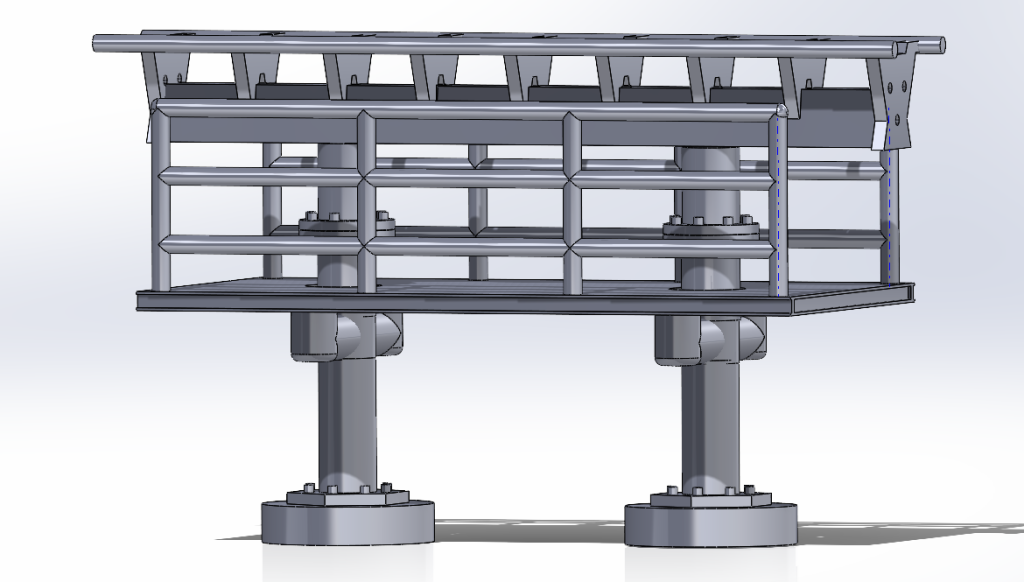
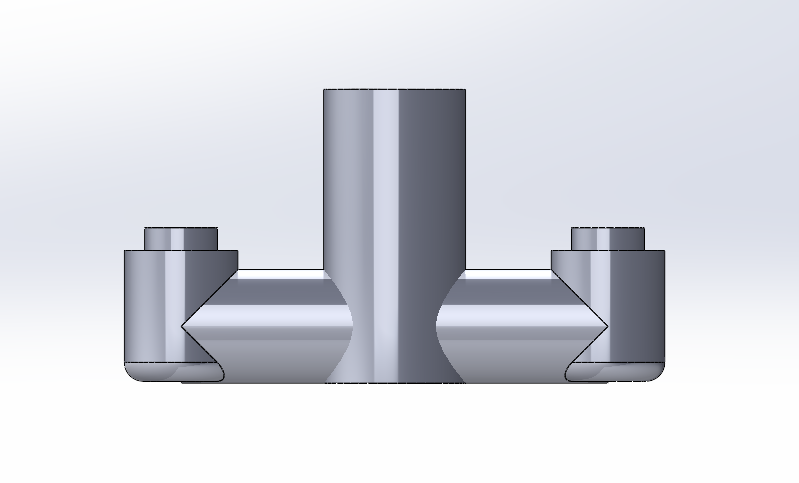
To support the quay and the overall structure, I developed a new type of pylon, featuring a C-shaped joint that adds realism and technical detail to the model.
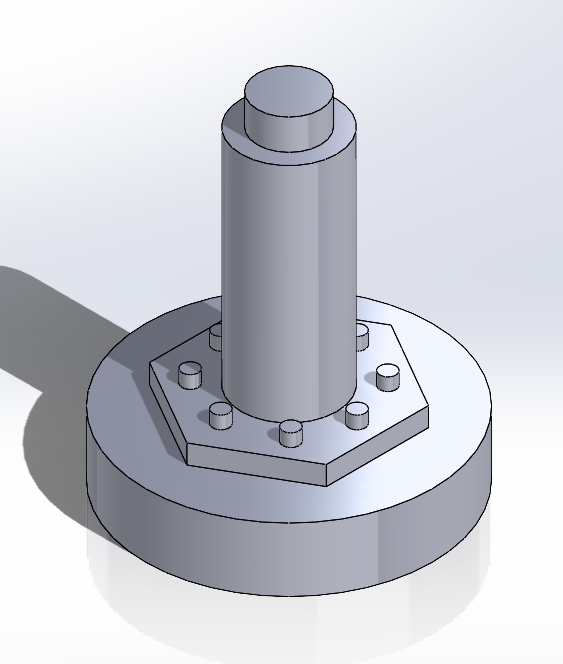
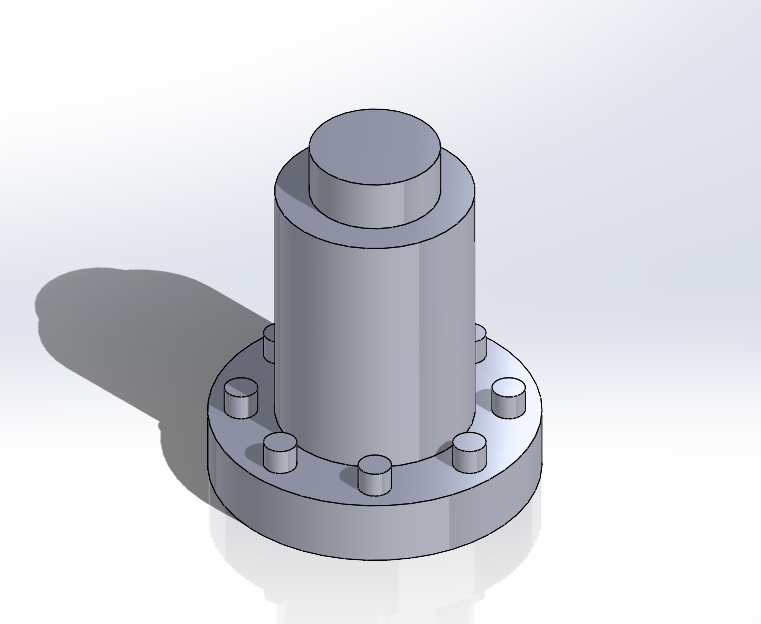
I tried to faithfully reproduce the joints with bolts, like those you can see in real roller coaster supports.
In this new version of the project, I have also made significant changes to the dimensions of the track, with the aim of enabling the development of a working train, which is currently in the design phase.
The track gauge, i.e. the distance between the two tracks, has been updated to 40 mm, a measurement designed to ensure compatibility with the future train and to allow for good stability during movement. The dimensions of the rails have also been optimised: I now use a PTFE tube with an internal diameter (ID) of 4.35 mm and an external diameter (OD) of 6.35 mm.
An important detail concerns the choice of the PTE tube for the tracks: I opted for this material because its extremely smooth surface ensures the correct sliding performance for the wagon I designed. The bearings run smoothly without unwanted friction, allowing a regular and fluid movement along the entire track.

To cut the tubes precisely and cleanly, I used a simple cutter blade, which turned out to be very effective for working with this material. For those who want to replicate the process, the 3D model of the cutter can be found for free on platforms such as Thingiverse or MakerWorld.
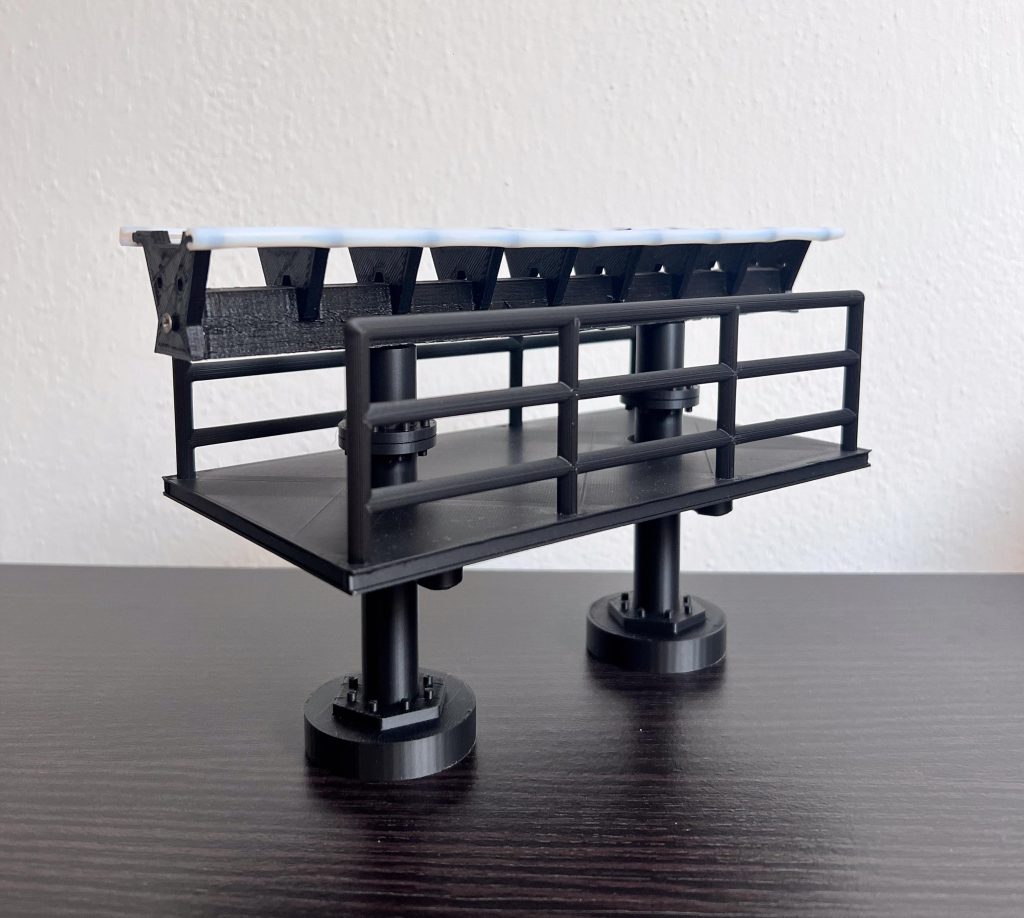
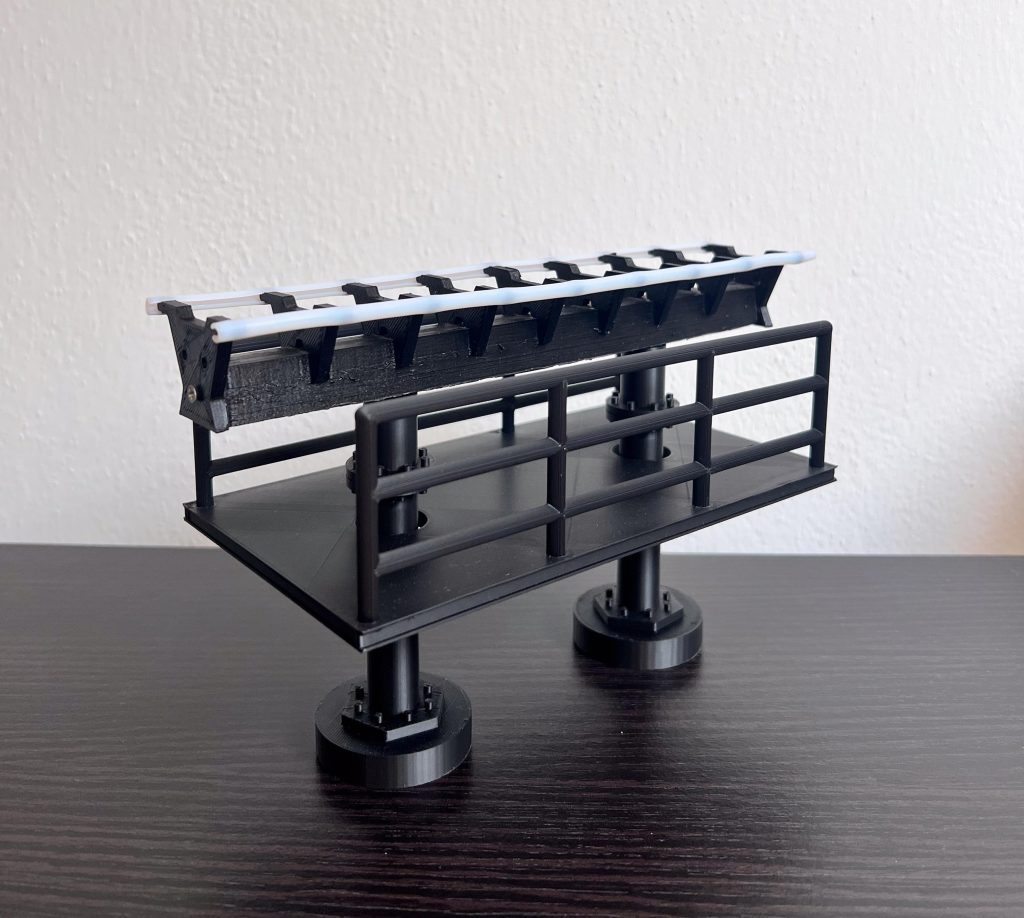
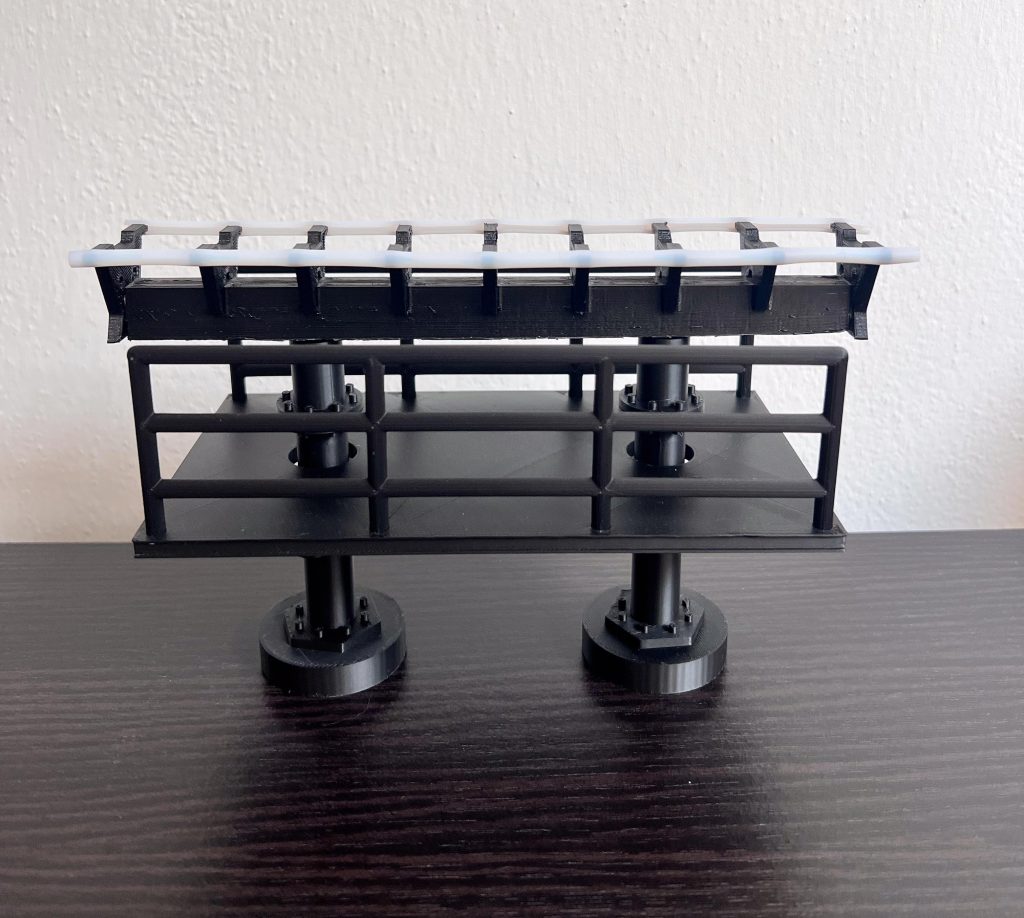
V1.1
If you enjoyed this model, you could make a small donation to help me continue creating free 3D models. It would be a great help to me. Thank you very much for your support!

Here, you can download the zip file with the 3D model ready to be printed, as well as a short guide I have created to help you assemble the model.
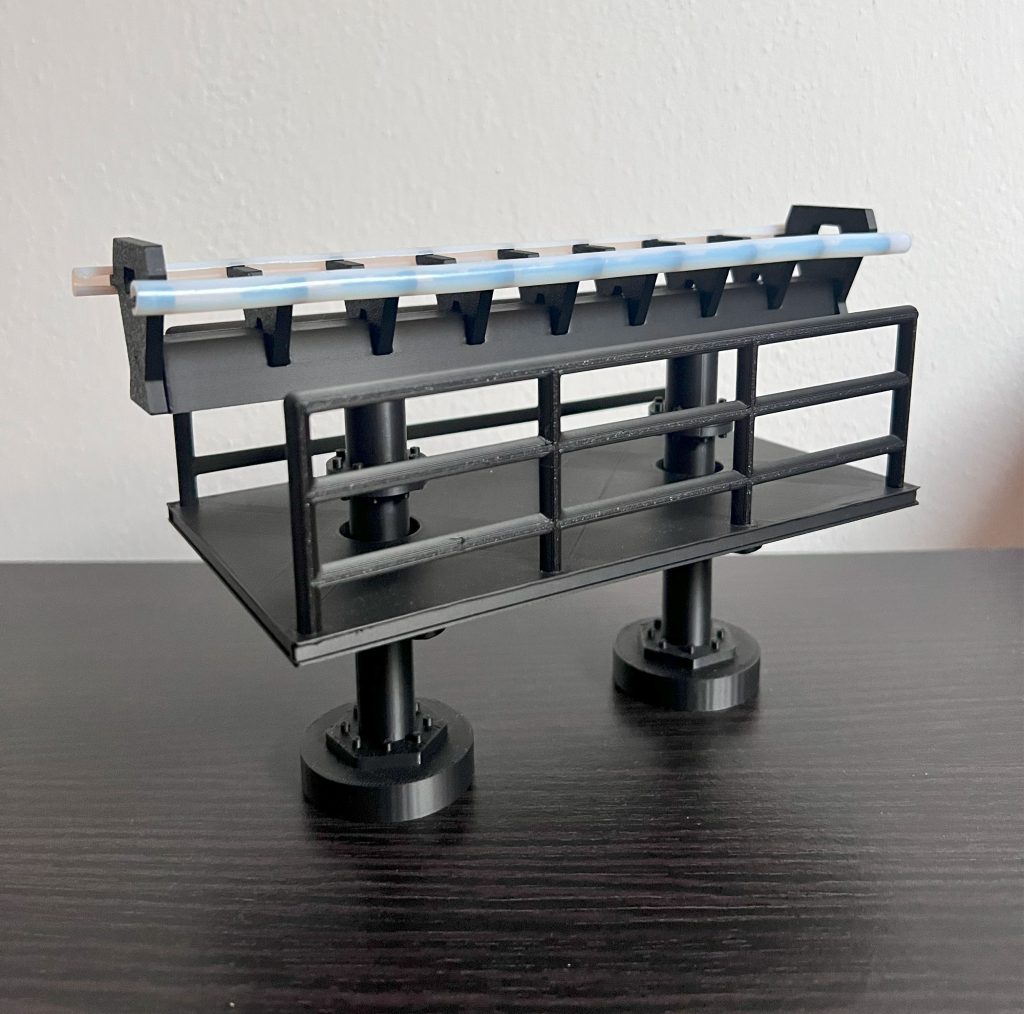
V2.1